

Pūrākau | Our Story and History
“Ko te hao te kai a te Aitaka a Tapuiti.”
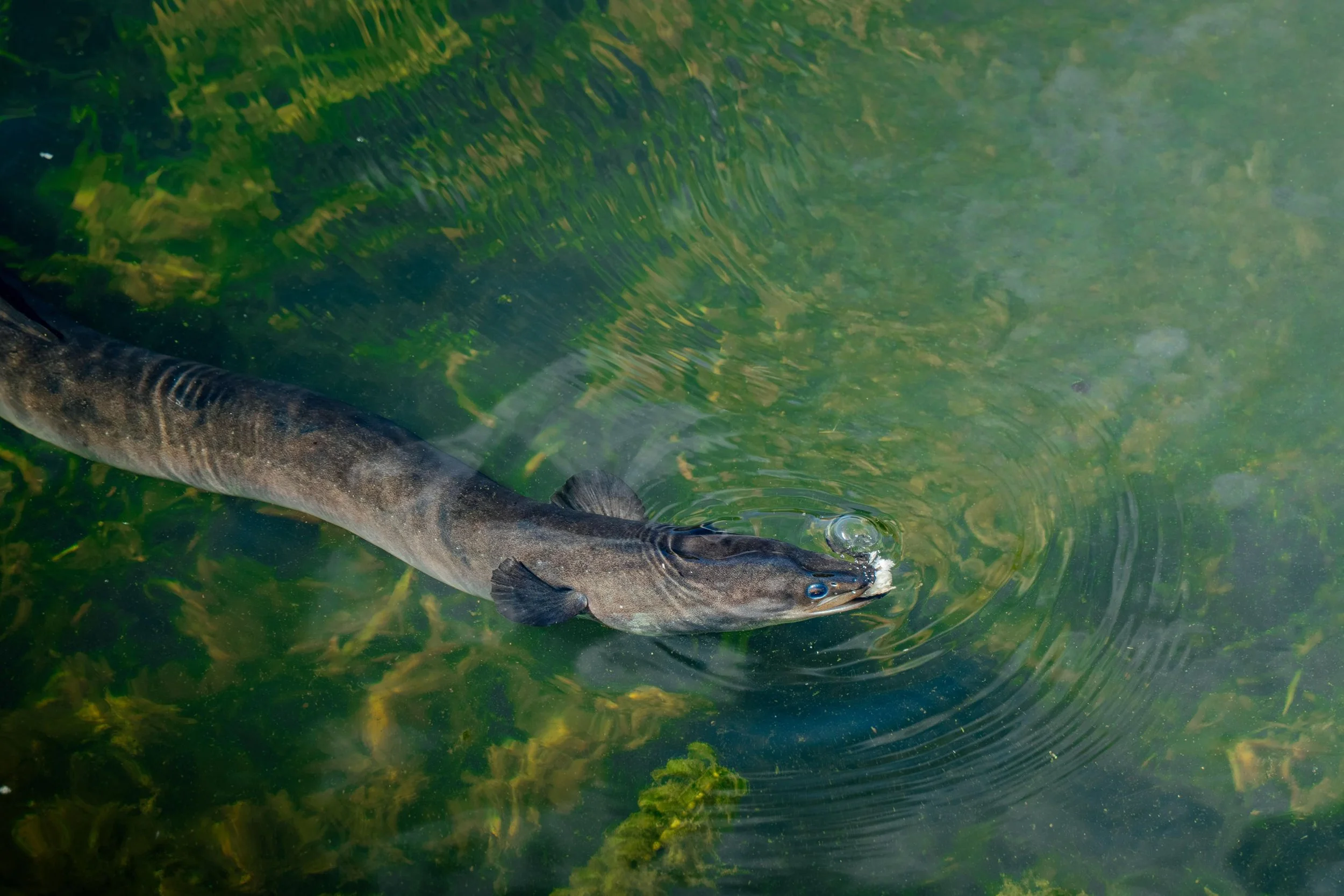
Eel is the delicacy that belongs to the descendants of Tapuiti.
The story behind our name
Ko te putake o te ingoa
Ko te putake o te ingoa o tenei Rūnanga i te hao, ko tenei tuna tetahi kai taonga o te hapu nei.
I whakaingoatia e Rakihouia te awa, ko te Waihao. Koia te tama a Rakaihautu raua ko Waiariki-o-Aio. Ko Tapuiti te hoa wahine o Rakihouia. Tokorua nga wahine nei i pai ke raua i nga hao o te awa o Waihao.
I tae mai nei enei tangata ariki ma runga i te waka Uruao. Ko Uruao tetahi waka o nga waka i tae mai tuatahi ki Aotearoa me Te Wa’i Pounamu.
Kei te rere tonu te awa o Waihao mai i tona hikuawa i Te Tari a Te Kaumira ki te Tai o Araiteuru, ki te Hapua o Wainono, te kete kai o nga mana whenua.
Ko te pokapu o te takiwa nei, ko te Wainono, e mau tahi ana i Arowhenua ki Waitaki awa me ki uta, ki te Tiritiri o Te Moana.
“Ko te whenua e haroa ana e te Kahu.”
Translation
The name of this Rūnanga comes from the hao, or shortfin eel, which was a treasured food of this hapu.
The river was named Waihao by Rakihouia, the son of Rakaihautu and Waiariki-o-Aio. Tapuiti was the wife of Rakihouia. Waiariki-o-Aio and Tapuiti were both known to favour the hao found in the Waihao River.
These people of chiefly standing arrived aboard Uruao, one of the first waka to reach Aotearoa and Te Wa’i Pounamu.
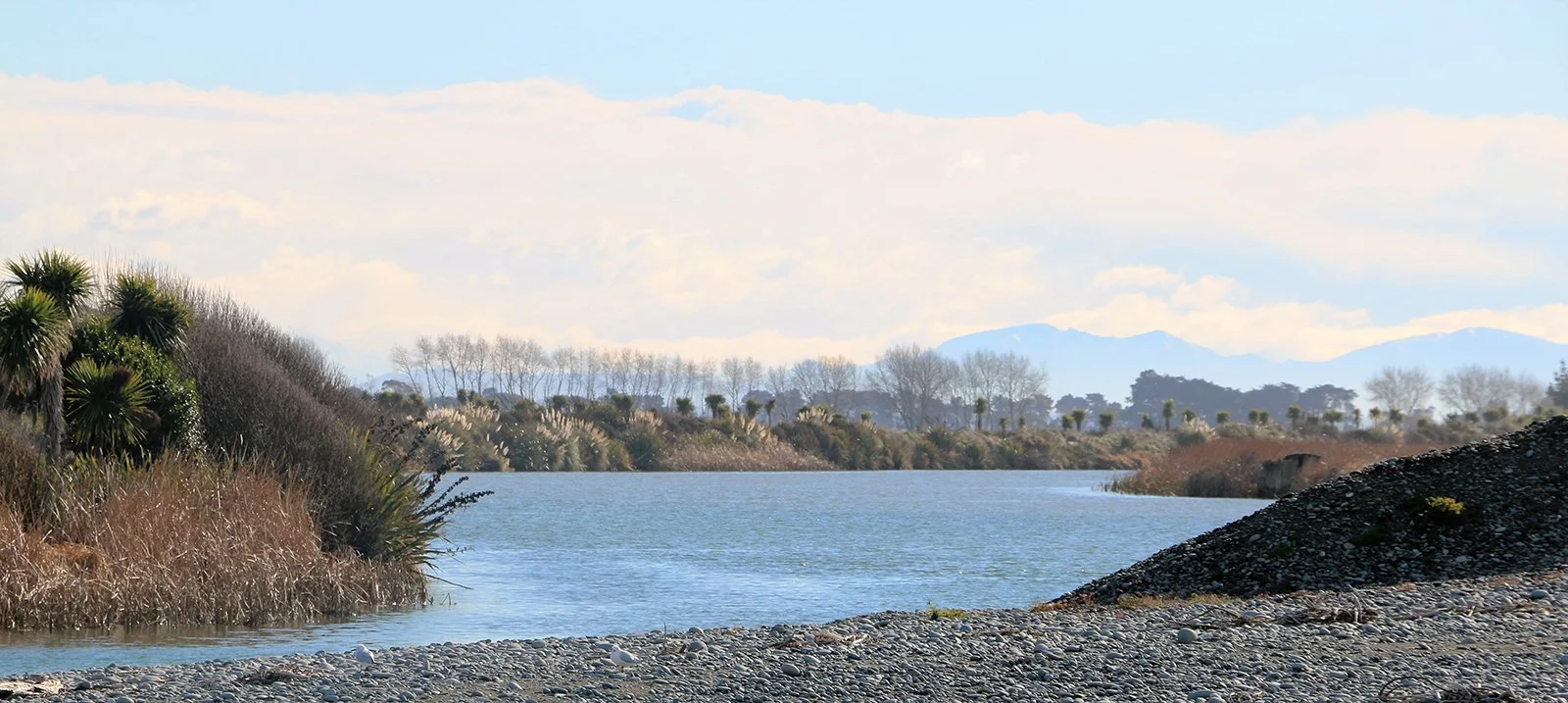
The Waihao River continues to flow from its source in the Hunter Hills to the coast, reaching the Wainono lagoon — a traditional food basket for mana whenua.
Wainono sits at the centre of the takiwa, with connections extending from Arowhenua to the Waitaki River and inland to the Main Divide.
Our History
Working together for Waihao
Our whakapapa connects us to Waitaha, Rapuwai, Hawea, Kati Mamoe and Ngai Tahu.
Waitaha trace their lineage to Uruao, which arrived more than a thousand years ago and first landed near Whakatu. From there, Rakaihautu, the rangatira of the waka, led a party across the land to explore Te Wa’i Pounamu.
Rakihouia took over as captain of Uruao and continued around the island. After a long separation, the two groups met again at the mouth of the Waihao River and settled there.
Rapuwai and Hawea are also ancient peoples, known for their strong connections to inland lakes and waterways.
Kati Mamoe descended from Hotu/Whatu Mamoe and migrated south from Te Ika a Maui during the sixteenth century. Ngai Tahu followed in the century after, with whakapapa connections to both Araiteuru and Takitimu waka.
Connected through the marae
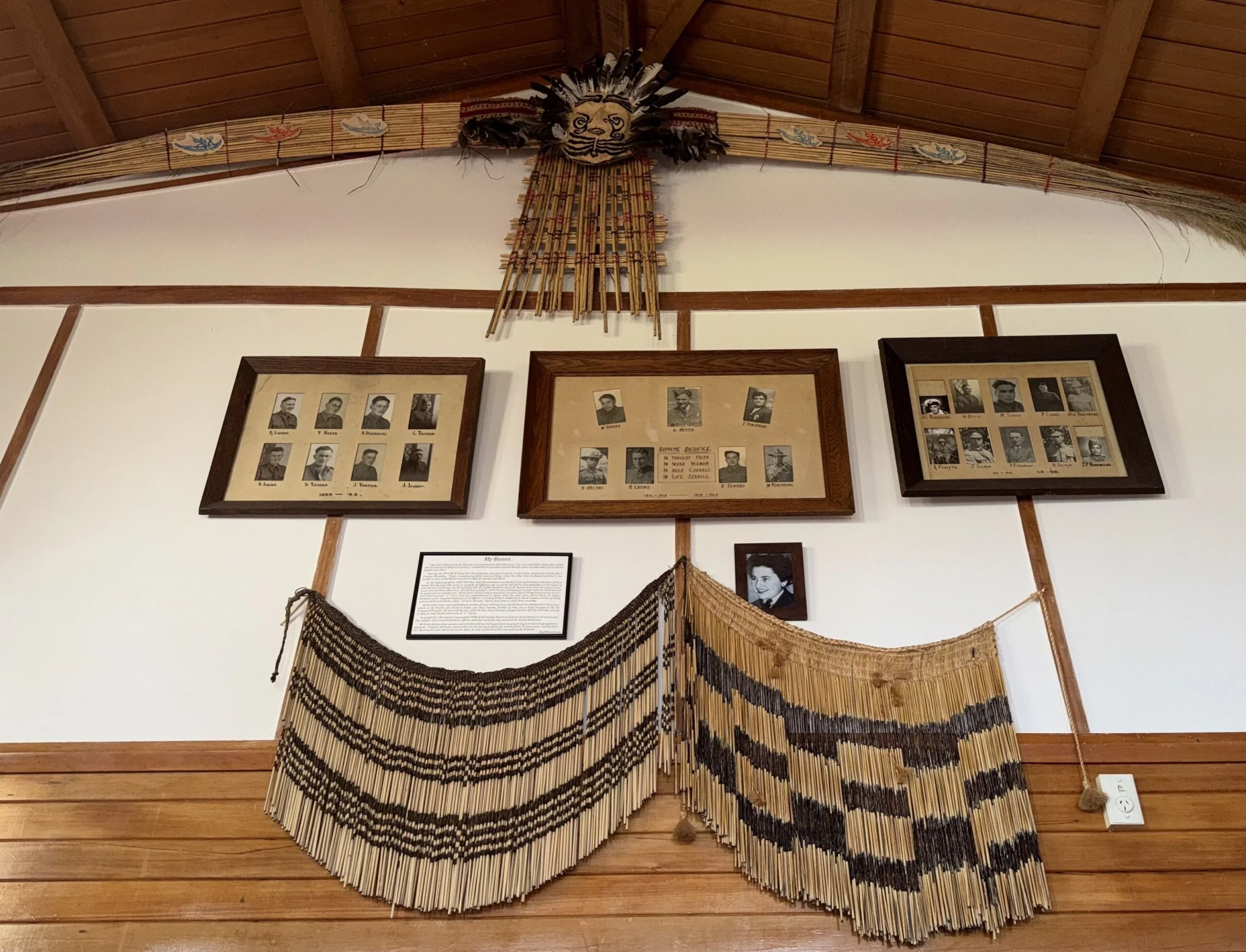
Through Waihao Marae, our whanau maintain a living connection with our tipuna.
It is a place where whakapapa is remembered, knowledge is shared and our relationship with those who came before us continues. It connects our past with the present and provides a foundation for the generations still to come.
Whakatauki
“E kore e taka te parapara a ona tipuna, tukua iho ki a ia.”
The qualities of his ancestors will not fail to be fulfilled; they must descend to him.
For Planning and forethought
“Kai atu, whakairi atu ki te pataka.”
Eat heartily, but hang some away in the storehouse.
Education
“Whaowhia te kete matauranga.”
Fill the basket of knowledge.