

About Waihao
Taku tūrangawaewae i te ao hurihuri
My place to stand in the changing world.
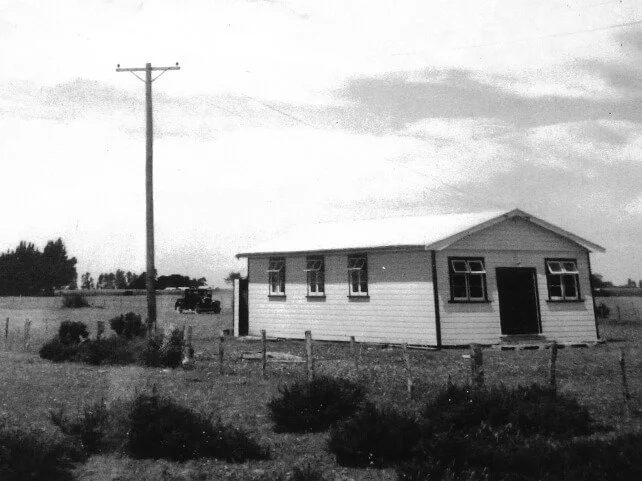
Our place to belong
Waihao Marae is located at 26 Māori Road in Morven, between Oamaru and Timaru.
It is home to Te Rūnanga o Waihao and a place of connection for whānau who whakapapa to Waitaha, Kāti Mamoe and Ngāi Tahu.
The marae connects ancestrally to Uruao, Araiteuru and Tākitimu, and to the awa Waihao from which our name comes.
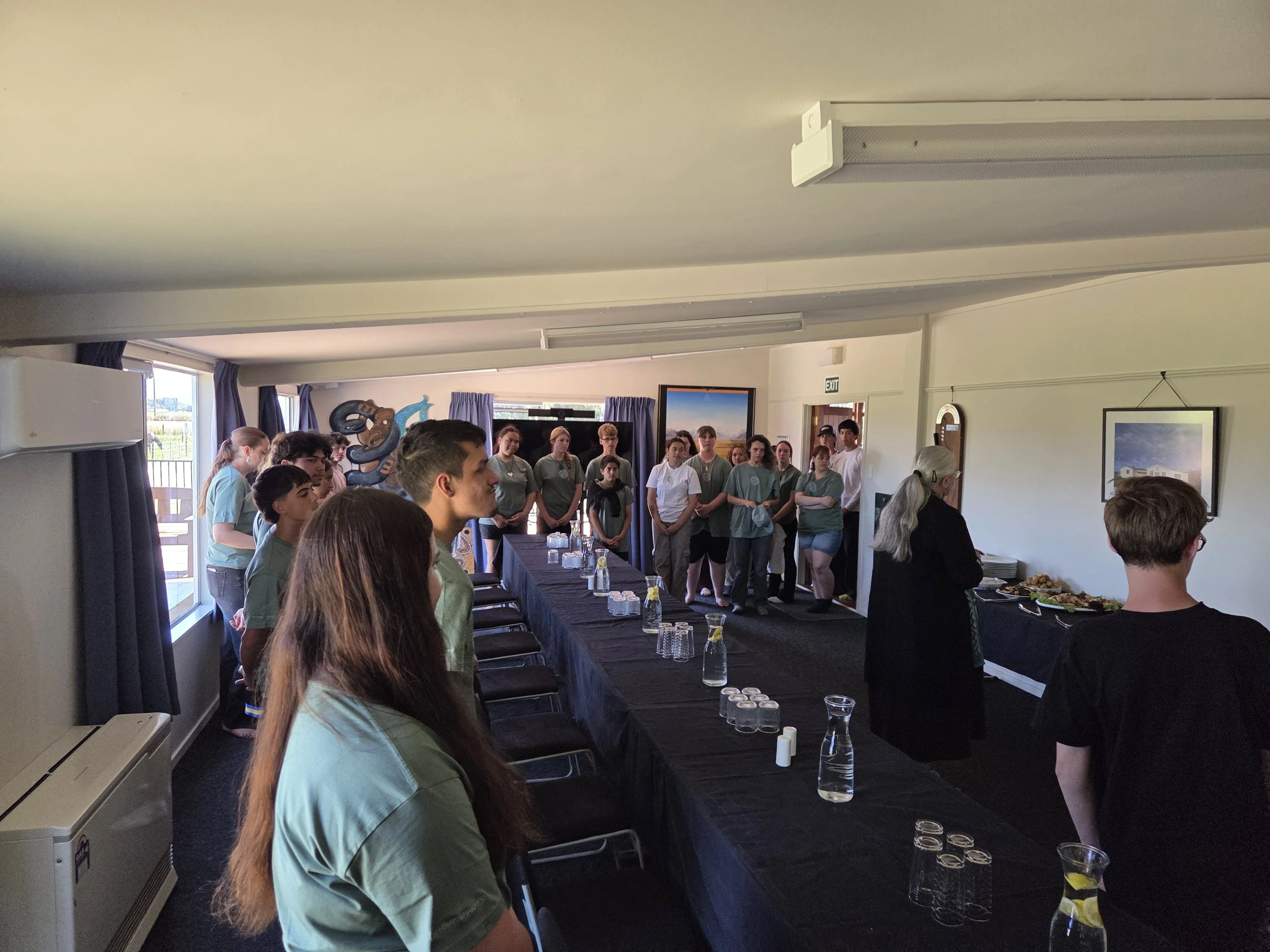
Keeping our connections strong
Waihao Marae provides a place for whānau to gather, reconnect and maintain a living relationship with our tipuna.
It is where knowledge and stories are shared, important occasions are marked and the connections between generations are strengthened.
While the world around us continues to change, the marae remains a place where Waihao whānau can stand, belong and know where they come from.
Te Waiata o Te Mahinga kai
Nā: Kelly Davis Te Maire
Anei anō ngā kōrero
A taua mā a pōua mā
I te kaupapa
I whārikitia e rātou
Mō ngā taonga e
O te mahinga kai
Kei whea rā ngā kōkopu
Ngā kokopara e
Inaka wai kakahi mā
Ngā hao ngā waikura
Kaeo kana kana e (x2)
Ki te awa tapu o Waihao
I tipu ai ēnei kai
Me te oranga o ngā whanaunga hapū
Kura kura Kāi Tahu e
Kura kura Kāti Māmoe e
Kura kura Waitaha e.
Here is another of the stories of
Our Taua and our Poua
Of the issue they have laid out before us
Of that most precious thing
Our ability to gather food
Where now are the kokopu, the kokopara
The whitebait, freshwater mussels, the hao eel,
Freshwater crayfish, Kaeo, and Lampreys
In the Sacred river of Waihao
These foods were nurtured
For the health of our families our Hapu
Kai Tahu, Kāti Mamoe, Waitaha
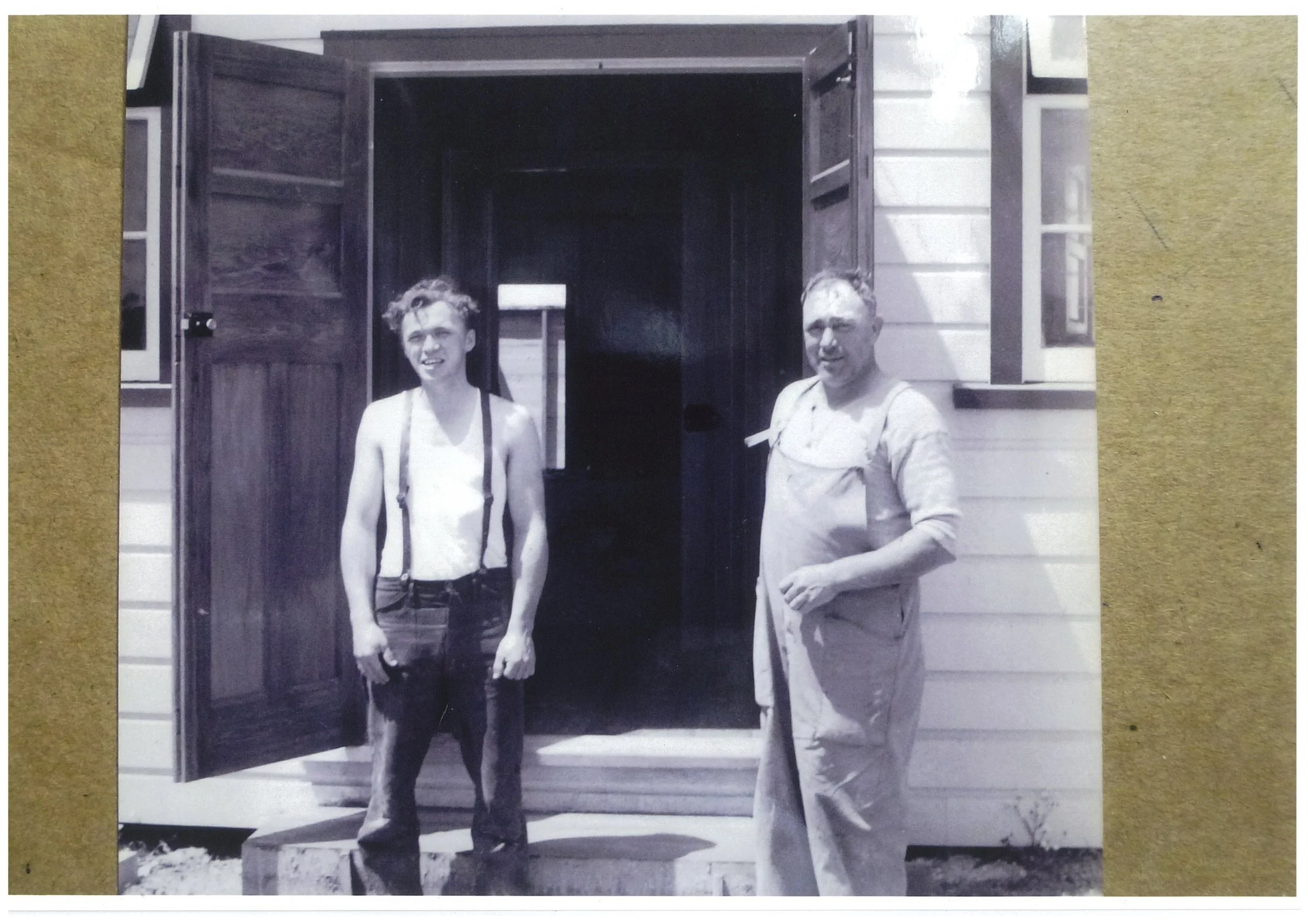
The opening of Centennial Hall
The Centennial Memorial Hall was opened at Morven in January 1941, marking what the Daily Advertiser described as a “red letter day” for the people of the district.
The hall was made possible through the efforts of the local women’s committee, support from the wider community, a Government centennial grant and the work of builder J. Scoringe, who gave much of his labour free.
At the opening, the hall was recognised as more than a building. It was a place for people to gather, a reflection of years of determination and an important part of the continuing story of Waihao Marae.
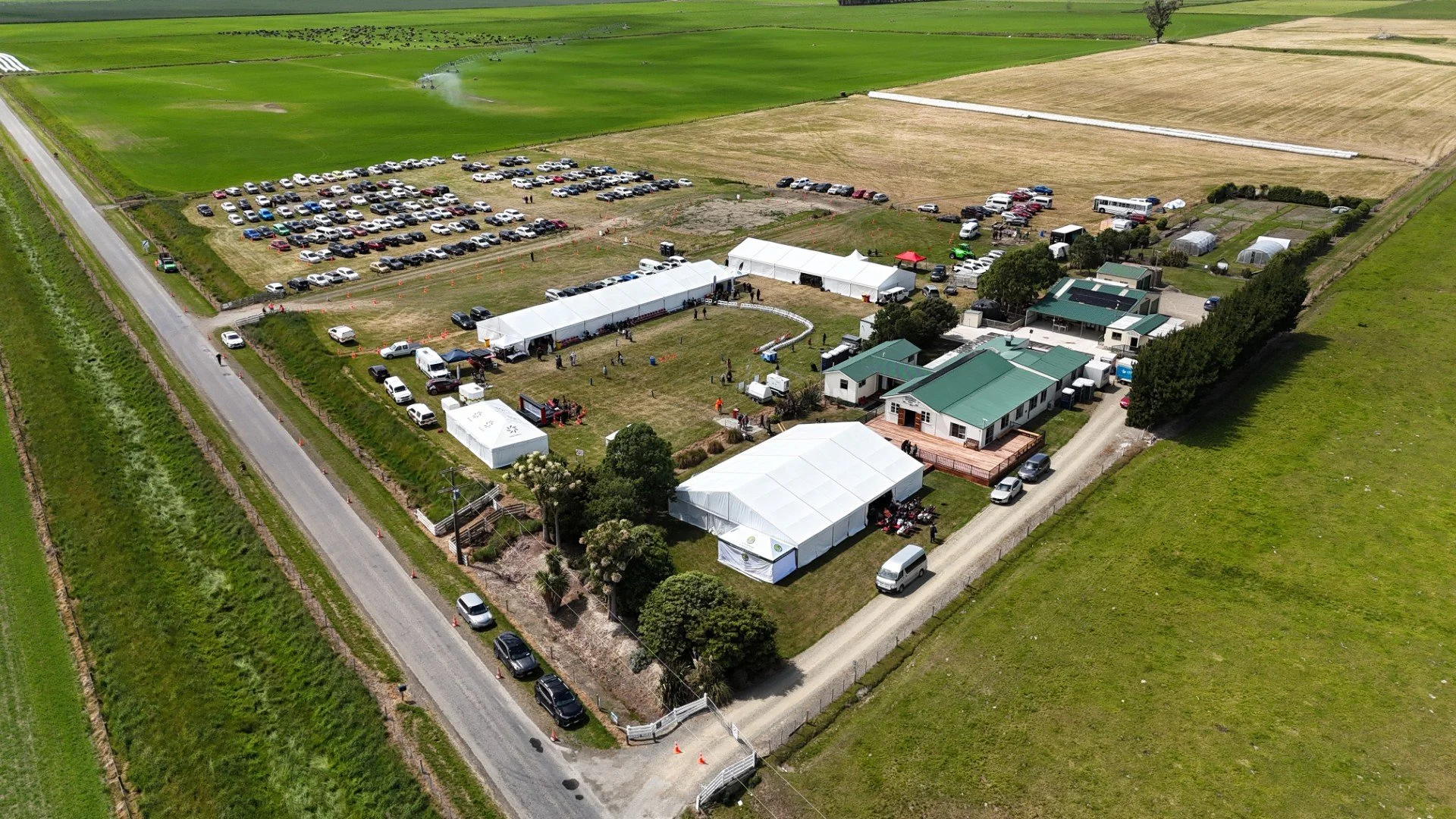
Visit Waihao Marae
Waihao Marae welcomes whānau, visitors and groups who come with respect for the marae and its people.
Planning to visit or looking for information about holding a hui or event at Waihao Marae? Find visitor guidance, facilities and booking information on our Visit & Book page.
Marae details
Waihao Marae
26 Māori Road
Morven, RD 10
Waimate
Aotearoa New Zealand
Phone: 03 689 4726